


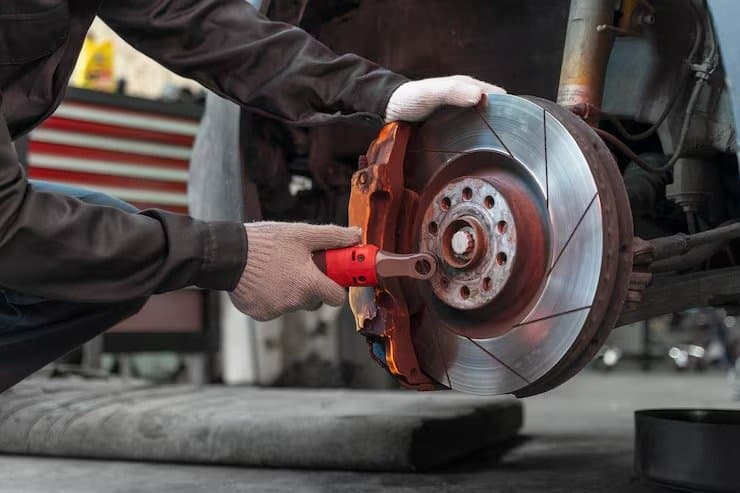
While the monsoon season does provide relief from the heat, it also presents problems in driving. Your car’s braking performance can be greatly influenced by wet roads, waterlogged streets and decreased tyre grip. Preventive checks of the brakes prior to the rainy season can assist in enhancing the stopping power, decreasing accident risks and making each trip secure. Motor and Mechanix suggests a detailed brake inspection before the onset of heavy rainfall to guarantee your vehicle is ready for slippery road conditions.
Significance of Brake Safety Before the Monsoon
Driving during the rainy season places extra pressure on your vehicle’s braking system. Water reduces tyre traction, making it harder for the car to stop quickly.
Some reasons why brake maintenance becomes essential before monsoon include:
- Increased stopping distance on wet roads
- Reduced tyre grip during sudden braking
- Higher chances of brake component corrosion
- Greater risk of skidding during emergency stops
- Water affecting brake responsiveness
Careful safety brake maintenance assists drivers stay in control even during heavy rainfall.
How Rain Affects Your Vehicle’s Braking System
Rainwater impacts various components of the braking system. Even though contemporary vehicles are developed to perform well in wet conditions, neglected brakes can become dangerous.
Water exposure might lead to:
- Temporary reduction in braking efficiency
- Rust formation on brake discs and rotors
- Reduced friction between brake pads and rotors
- Increased wear if components are already damaged
- Moisture accumulation around brake components
Continuous checks decrease these risks before they become costly repairs.
Warning Indicators your Brakes Require Immediate Focus
Overlooking early brake issues can lead to unsecure driving during monsoon.
Look for these warning indicators:
Squealing or Screeching Noise
High-pitched sounds mostly indicate worn brake pads.
If ignored:
- Metal parts may begin rubbing together
- Rotor damage may occur
- Repair costs increase significantly
Grinding Sound While Braking
Grinding usually means brake pads are completely worn.
Possible drawbacks include:
- Rotor damage
- Poor stopping performance
- Unsafe driving conditions
Immediate inspection is suggested.
Brake Pedal Feels Soft or Spongy
A soft brake pedal usually points to:
- Brake fluid contamination
- Air in brake lines
- Hydraulic system leaks
These issues become even more dangerous on wet roads.
Vehicle Pulls to One Side
If your vehicle drifts left or right while braking, possible reasons include:
- Sticking brake caliper
- Irregular brake pad wear
- Hydraulic imbalance
This affects vehicle stability during rainy weather.
Vibrations During Braking
In case the brake pedal or steering wheel vibrates:
- Brake rotors may be warped
- Uneven rotor surfaces reduce braking efficiency
- Stopping distance increases
Professional inspection should not be delayed.
Brake Warning Light Appears
Modern vehicles monitor braking performance electronically.
Never ignore:
- ABS warning light
- Brake system warning indicator
- Low brake fluid warning
These lights indicate problems that require immediate attention.
Crucial Brake Elements That should be Inspected
Prior to monsoon, each major braking element should be inspected.
Brake Pads
Brake pads naturally wear with use.
Check includes:
- Remaining pad thickness
- Cracks or contamination
- Irregular wear
Changing worn pads restores braking performance.
Brake Rotors
Rotors should be examined for:
- Rust
- Deep grooves
- Heat spots
- Surface warping
Seamless rotors provide better braking consistency.
Brake Fluid
Brake fluid absorbs moisture as time passes by.
Technicians should inspect:
- Fluid level
- Fluid quality
- Moisture content
- Possible contamination
Fresh brake fluid improves hydraulic response.
Brake Calipers
Calipers apply pressure to brake pads.
Inspection covers:
- Smooth movement
- Seals
- Pistons
- Corrosion
Sticking calipers reduce braking efficiency.
Brake Lines
Brake lines should be checked for:
- Leaks
- Cracks
- Corrosion
- Loose fittings
Healthy brake lines ensure proper hydraulic pressure.
Driving Habits that Safeguard your Brakes During Monsoon
Good driving habits enhance both security and brake lifespan.
Drivers should:
- Maintain greater following distance
- Prevent sudden braking
- Drive at moderate speeds
- Brake gently before turns
- Prevent driving through deep water whenever possible
- Dry brakes by gently applying them after crossing shallow water
These habits improve brake road safety throughout the rainy season.
Why Late Brake Repairs are Risky
Minor brake problems rarely fix themselves.
Ignoring maintenance may result in:
- Longer stopping distance
- Complete brake failure
- Higher repair costs
- Rotor replacement
- Increased accident risk
- Reduced driver confidence
Compared to emergency repairs preventive maintenance is always more cost-effective.
Expert Brake Inspection Checklist Before Monsoon
A complete inspection should include:
- Brake pad measurement
- Rotor condition check
- Brake fluid testing
- Caliper inspection
- Brake hose examination
- ABS diagnostics
- Parking brake adjustment
- Road test
Expert servicing locates hidden issues before they influence road security.
Advantages of Regular Brake Maintenance
Routine brake servicing offers several advantages.
These include:
- Better stopping performance
- Improved vehicle stability
- Longer brake component life
- Lower maintenance costs
- Safer travel during heavy rainfall
- Enhanced driving confidence
Preventive maintenance also enhances entire vehicle reliability across the year.
Why Select Motor and Mechanix for Brake Services?
When it comes to trusted vehicle maintenance, selection of seasoned experts makes all the difference. At Motor and Mechanix, each brake inspection is carried out in a systematic way and is performed with modern diagnostic equipment and high standard clutch replacements. To ensure peak performance excellent mechanics thoroughly inspect brake pads, rotors, calipers, brake fluid and hydraulic components. Be it a routine maintenance or brake repair in Noida, the focus is still on re-establishing peak braking performance before the rain starts, so that passengers can drive with peace of mind.
Monsoon Driving Tips for Better Brake Performance
Follow these functional tips every rainy season:
- Decrease speed on wet roads
- Leave extra space between vehicles
- Prevent hard braking whenever possible
- Change worn tyres before monsoon
- Keep windshield visibility clear
- Schedule brake check prior to heavy rains begin
- Never overlook unusual brake noises
- Test brakes carefully after driving through standing water
Small precautions greatly enhance driving security.
Conclusion
Ensuring your braking system is in excellent condition is the initial condition in making your vehicle ready before the rainy season begins. On-time checks, early repairs and careful maintenance help decrease stopping distance, enhance vehicle control and minimise accident risks on wet roads. By selecting continuous brake servicing from Motor and Mechanix, you can enjoy secure, more confident driving across the monsoon alongside safeguarding both your car and other people on the road.