


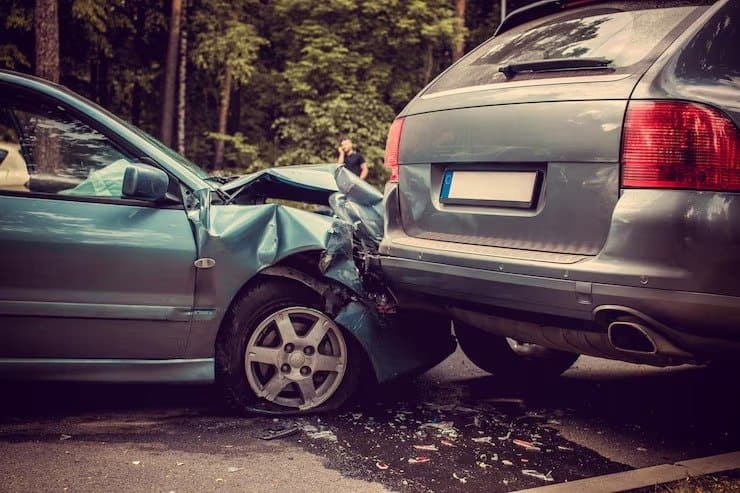
At the time of an accident, visible dents and scratches may occur, but some of the most serious damage may not be visible until below the body panels. Even if the car appears repairable, parts such as chassis, frame, suspension mounting system parts, steering components or crumple zone can be affected by a collision. Taking a thorough structural inspection is crucial before the vehicle is released back on the road. Motor and Mechanix helps vehicle owners locate hidden accident-associated problems and evaluate whether their car is secure to drive.
Importance of Structural Check After an Accident
An automobile structure is designed to absorb and spread crash forces alongside safeguarding drivers and passengers. To maintain structural strength elements such as the chassis, frame rails, pillars, floor pan, suspension mounting points and crumple zones operate in collaboration.
These elements can bend, shift, crack or weaken after an accident without producing obvious outside damage. Driving a vehicle without fixing structural problems can influence handling, tyre wear, braking stability and protection during another collision.
An expert check is particularly crucial after a front-end collision, side impact, rear-end accident, rollover or impact involving the wheels.
Indicators of Car Structural Damage After Accident
Not every structural issue is immediately visible. Nevertheless, various signs can indicate that your vehicle needs a comprehensive evaluation.
Irregular Panel Gaps
Big or inconsistent gaps between doors, the bonnet, boot or fenders might indicate that part of the body has shifted. Sudden changes in panel alignment after an accident should not be overlooked.
Unusual Tyre Wear
Improper tyre wear can indicate wrong wheel geometry. If an alignment adjustment doesn’t fix the issue, mechanics may need to investigate the suspension and structural elements.
Vehicle Pulls to One Side
A car that continuously pulls to one side after an accident, might have alignment or suspension problems. In some cases, the underlying problem may involve a damaged suspension mounting point or structural deformation.
Doors or Boot Do Not Close Properly
If a door, bonnet or boot becomes difficult to close, the problem may extend beyond the latch. Misalignment can sometimes indicate movement in the surrounding structure.
How to Check Car Frame Damage
Knowing how to check car frame damage can help automobile owners recognise why expert check is significant. A visual examination can locate obvious bends, cracks, distorted metal or previous welding, but determining whether the frame has shifted generally requires customized equipment.
Mechanics inspect the frame, underbody and compare crucial structural points with the manufacturer’s instructions. A chassis measuring system can locate dimensional distinctions and determine whether straightening or element change might be required.
Paint cracks, unusual welds, crushed sections or distorted underbody areas can also indicate previous impact damage. These findings should be evaluated alongside suspension, steering and alignment measurements.
Car Wheel Alignment After Accident: Why It is Crucial
One of the most crucial checks after an accident is car wheel alignment after accident. An impact can alter camber, caster, toe or other wheel geometry even when the tyres appear straight.
A careful alignment check determines whether the wheels remain within the developer specifications. In case the alignment cannot be fixed through normal adjustment, there may be a damaged suspension element, subframe, mounting point or structural section.
Drivers should also watch for a crooked steering wheel, unstable handling, excessive vibration or a tendency to drift.
What Happens During an Expert Structural Check?
A detailed accident evaluation normally begins with an exterior and underbody assessment. Mechanics examine the impact area and check whether large structural and mechanical elements remain correctly positioned.
The suspension and steering systems are checked for bent components, damaged joints or displaced mounting points. Wheel alignment measurements can provide extra information about changes in vehicle geometry.
If structural damage is suspected, a chassis measuring system may be used to compare the vehicle’s dimensions with developer instructions. Repairing visible body damage alone doesn’t necessarily restore the vehicle’s original structural geometry.
Chassis Damage Repair Expense in India
The chassis damage repair cost in India relies on the vehicle, extent of deformation, affected elements, repair method and availability of replacement components.
Small structural fixes might need limited work whereas severe damage can involve frame straightening, part change, welding, painting, suspension repairs and alignment. High-end vehicles might have higher expenses because of individualized parts and repair processes.
Instead of choosing a repair according to only the lowest quotation, ask for a careful check and learn about which structural elements need repair or change.
Can a Car be Driven After an Accident?
Not every accident-damaged car is unsecure to drive. If the collision was small and there is no damage to the structural, steering, suspension, braking or security systems, the car may be roadworthy after evaluation.
When there are leaking fluids, damaged wheels, grave steering issues, broken suspension components, deployed airbags or important changes in handling driving should be prevented. When in doubt, have the automobile checked prior to driving it.
Why Select Motor and Mechanix for Accident Check?
Motor and Mechanix can assist vehicle owners evaluate accident-associated concerns beyond visible body damage. To locate problems that may remain unnoticed, a structured evaluation of the body, suspension, steering, wheels and alignment is required.
The objective should not simply be to make the car appear repaired. Its structural geometry, handling features and safety-associated systems should also be carefully inspected before it returns to daily usage.
Conclusion
A car can look repaired after an accident while still having invisible structural or alignment issues. Thus, assessing the chassis, suspension mounting points, steering, wheels and frame geometry becomes crucial. An expert check can locate hidden damage early, avoid further repair problems and provide greater confidence that the vehicle is secure for the road.
FAQs
How soon should I check my car after an accident?
A structural and mechanical evaluation should usually be carried out before the vehicle returns to regular driving, especially after a significant collision or wheel impact.
Could a car have frame damage without visible dents?
Yes. Frame or structural elements can bend or shift beneath exterior panels whereas the visible bodywork looks relatively normal. Expert measuring equipment might be required to locate such damage.
Does wheel alignment indicate frame damage?
Not necessarily. Wrong alignment can result from damaged tyres, wheels, suspension elements or structural parts. Nonetheless, if alignment cannot be fixed within instructions, further structural check might be necessary.
Is chassis damage always repairable?
The repairability depends on the location and level of the damage. Some parts can be professionally straightened or repaired whereas severely damaged components might need to be changed.
How much does accident-associated structural repair cost?
There is no fixed price because costs change by vehicle and damage severity. An expert check is necessary to determine the influenced elements and give a trusted repair estimate.