


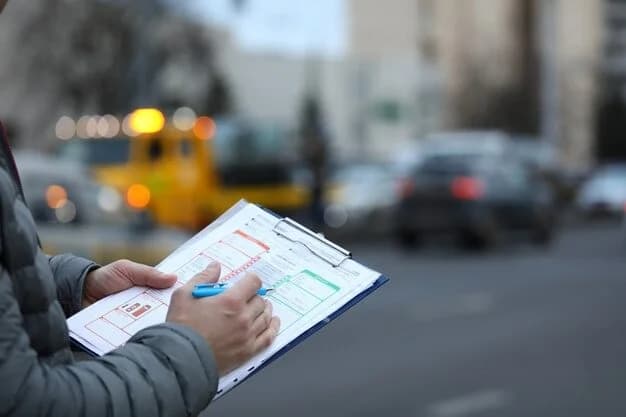
Driving on Indian streets in 2026 translates to dealing with wise enforcement, AI-powered cameras and stricter responsibility for each rule break. Be it a daily commute or an occasional drive, staying updated with the traffic challan rules in India can safeguard you from unnecessary penalties and legal issues. At Motor and Mechanix, we know that knowledgeable motorists are secure drivers, so below is everything you need to understand about the latest fine structure, penalties and how to handle your fines without pressure.
Learning About Traffic Challan Rules in India
The Motor Vehicles Act, 1988, along with its 2019 Amendment, forms the primary legal framework for traffic challan rules in India. This law sets the maximum fines that can be charged for several offences whereas individual states retain the authority to notify their own penalty amounts, provided they don’t fall below the central minimum. This is why a violation in Delhi might carry a slightly different fine than the same offence in Maharashtra or Tamil Nadu.
Every motorist is expected to carry basic documents at all times, containing:
- An authentic driving licence
- The automobiles Registration Certificate (RC)
- Authentic motor insurance
- A latest Pollution Under Control (PUC) certificate
Failing to produce these during a routine evaluation can attract penalties even if no other violation has occurred.
Motor Vehicle Act Fines You Should Know
The motor vehicle act penalties cover a broad spectrum of offences, from missing documents to rash driving. Some of the most basic ones consist of:
- Driving without an authentic licence – Rs. 5000, with possible imprisonment
- Driving without insurance – Rs. 2000, with imprisonment up to 3-months for recurred offences
- Not carrying the RC – Rs. 2000
- Utilizing a mobile phone while driving – Rs. 5000
- Driving without an authentic PUC certificate – Rs. 500 – 10000 relying on the state
- Juvenile driving – Rs. 25000 penalty on the automobile owner/guardian, along with 3 years of jail time and discontinuation of automobile registration
These fines are designed to hold both motorists and automobile owners responsible, particularly in cases involving small or recurred violations.
Complete Traffic Fine List India in 2026
Below is a fast look at the traffic fine list India drivers and riders should be aware of this year:
- No helmet – Rs. 1000 with a 3-month licence suspension
- No seatbelt – Rs. 1000 for the motorist and every passenger, containing front seats
- Overspeeding – Rs. 1000 – Rs. 2000 for light motor vehicles; Rs. 2000 – Rs. 4000 for medium/heavy automobiles
- Drunk driving – Rs. 10000 and imprisonment up to 6-months for the first offence; Rs. 15000 and up to 2 years for recurred offences
- Dangerous or rash driving – Rs. 1000 – Rs. 5000, with possible jail time
- Jumping a red light – Rs. 500 – Rs. 5000, according to the state
- Racing or speeding contests – Up to Rs. 5000 for the first offence
- Overloading a two-wheeler – Rs. 2000 with a 3-month licence suspension
- Driving without an authorization – Up to Rs. 10000
It’s worth noting that states can only adjust these amounts upward, not downward, so the figures above showcase the baseline you’re likely to address anywhere in the country.
New Traffic Rules 2026 – What’s Changed
Various new traffic rules 2026 updates pay attention to digital enforcement and quicker adherence:
- AI and CCTV-oriented detection – Places like Delhi, Bengaluru, Hyderabad, Bombay and Pune now utilize AI cameras that automatically detect helmet and seatbelt violations without a traffic officer present
- Faster payment windows – Various states have tightened the challan payment deadline, with repeat offenders encountering stricter action if penalties aren’t cleaned completely
- Decentralised driving tests – Applicants can now take realistic driving tests at government-approved private institutions rather than only at RTOs, simplifying pressure on licensing offices
- Digital-first challan tracking – Camera-generated challans might take 24 – 72 hours to reflect online, so it’s smart to assess your automobile status periodically rather than assuming a clear record
These alterations showcase a wider shift toward autonomous, technology-oriented enforcement across Indian cities.
How to Assess and Pay Your E Challan Fine List
Handling your e challan fine list has become greatly simpler with the authorities centralised virtual system. Here’s how the procedure typically operates:
- Visit the official Parivahan e-Challan portal
- Enter your automobile registration number, challan number or driving licence number
- Review any pending penalties along with the offence information and amount due
- Pay directly virtually utilizing net banking, UPI or a card
- For older or contested fines, attend a Lok Adalat session — particularly for non-compoundable violations such as drunk driving or driving without a licence, which require a necessary court appearance
Unpaid challans can block critical services on the Parivahan portal, containing automobile transfer or renewal and continued non-payment might lead to a court summons or licence suspension. It’s also necessary to clear all outstanding penalties prior to selling your vehicle.
Ideas to Prevent Traffic Challans
A few simple habits go a long way in keeping your driving record clear:
- Renew your PUC every six months for older automobiles
- Always carry your licence, RC, insurance and PUC certificate
- Prevent usage of your mobile while driving, even at traffic signals
- Get your automobile regularly serviced so lights, signals and horns function correctly
- Look at the e-challan portal monthly for any camera-generated penalties
At Motor and Mechanix, we also suggest scheduled automobile maintenance evaluations, since defective lights, worn-out tyres or malfunctioning signals can themselves invite penalties, besides being security hazards.
Conclusion
Following traffic regulations in India doesn’t have to be sophisticated — you just need to know the latest 2026 regulations and fine structures. Daily habits like carrying the correct documents and clearing fines on time, go a long way in saving you money. Motor and Mechanix is here to remind drivers to stay knowledgeable, drive securely and keep their automobiles in peak condition to skip the stress of avoidable fines.
FAQs
Can I challenge an incorrectly generated traffic fine?
Yes, if you know a fine has been generated wrongly, you can challenge it through the suitable traffic authority or during a Lok Adalat hearing.
How can I assess if I have any pending e-challans?
You can assess pending challans on the official Parivahan e-Challan portal by filing your vehicle registration number or driving licence number.
What happens if I don’t pay my traffic challan timely?
Non-payment can cause court summons, blocked services on the Parivahan portal and in some cases, suspension of your driving licence.
What is the latest fine for not wearing a helmet in India?
Failing to put-on a helmet attracts a Rs. 1000 fine and can result in your driving licence being suspended for 3-months under the Motor Vehicles Act.
Are traffic fines the same throughout every Indian region?
No. Even though the central Motor Vehicles Act sets standard baseline fines, different states can change penalty amounts, so actual penalties might vary according to region.